
Complete 10-Day Italy Travel Itinerary is the perfect guide for first-time visitors planning their dream trip to Italy. From Rome and Florence to Venice and the Amalfi Coast, this itinerary covers the country’s most iconic destinations. Italy is one of those destinations that genuinely lives up to the hype. From the ancient ruins of Rome to the gondola-laced canals of Venice, from the Renaissance art of Florence to the sun-drenched Amalfi Coast, ten days gives you just enough time to experience the very best of this extraordinary country. This Complete 10-Day Italy Travel Itinerary is designed specifically for first-time visitors who want a structured, stress-free, and deeply rewarding trip without missing the highlights that make Italy truly unforgettable.
Complete 10-Day Italy Travel Itinerary: Quick Travel Snapshot
| Detail | Info |
|---|---|
| Trip Duration | 10 Days / 9 Nights |
| Cities Covered | Rome, Florence, Cinque Terre, Venice |
| Best Time to Visit | April–June, September–October |
| Average Daily Budget | $120–$200 per person |
| Primary Transport | High-Speed Train (Trenitalia / Italo) |
| Currency | Euro (€) |
| Language | Italian (English widely spoken in tourist areas) |
| Visa Requirement | Schengen Visa (verify current requirements) |
Why Visit and Best Time to Visit
Italy offers an unmatched combination of history, cuisine, art, and natural scenery all within a single country. No other destination lets you stand inside a 2,000-year-old Colosseum in the morning and eat the world’s finest pasta by evening.
April to June is the sweet spot. Weather is warm but not brutally hot, flowers are blooming, and the worst summer crowds have not yet arrived. September and October offer similar advantages with grape harvest season adding a beautiful local atmosphere. Avoid July and August if you dislike intense heat and crowded tourist sites. Winter months are quieter and cheaper but some coastal areas close.
Complete 10-Day Italy Travel Itinerary Overview
Most international travelers fly into Rome Fiumicino Airport (FCO), which is Italy’s largest international gateway. Flying into FCO and departing from Venice Marco Polo Airport (VCE) is the most efficient route for this 10-day itinerary as it avoids backtracking. Flight prices vary depending on your departure city and travel season. To find the best available fares for your dates, Compare Flight Prices Here.
After landing in Rome, the Leonardo Express train connects Fiumicino Airport to Roma Termini station in approximately 32 minutes. To book your airport transfer in advance and avoid taxi queues after a long flight, Book Airport Transfer Here.
Staying connected throughout your trip is essential for navigating maps and booking tickets on the go. To avoid expensive roaming charges, Get Travel eSIM Here.
Where To Stay
Choosing the right neighborhood matters enormously in Italy’s major cities.
Rome
Stay near Termini Station for transport convenience or in the Trastevere neighborhood for authentic Roman atmosphere. Mid-range hotels here typically cost €90–€160 per night.
Florence
The Santa Croce or Oltrarno neighborhoods offer a genuine Florentine experience away from the main tourist crush around the Duomo. Expect €100–€180 per night for good mid-range options.
Cinque Terre
Stay in Monterosso al Mare for the best beach access or Vernazza for picturesque harbor views. Book well in advance as accommodation is limited. Prices range from €80–€150 per night.
Venice
Stay on the main island near San Polo or Cannaregio for the most authentic experience. Budget €120–€220 per night. Accommodation prices across all cities vary by season and availability. To compare hotels, apartments, and guesthouses and secure the best available rates, Compare Hotel Prices Here.
💡 Travel Tip: Most Italian cities charge a tourist city tax, usually €3–€7 per person per night, depending on the city and hotel category. This fee is generally paid separately at check-in or check-out.
Transportation Guide
Italy’s high-speed train network is the best way to travel between major cities on this itinerary. The Frecciarossa trains operated by Trenitalia and Italo connect Rome, Florence, Venice, and Milan quickly and comfortably.
Rome to Florence takes approximately 1.5 hours, while Florence to Venice takes around 2 hours. Book your train tickets in advance for the best fares and seat availability. To compare train schedules, routes, and fares, Compare Train Tickets Here.
Within cities, use the Rome Metro for convenient transportation, Venice’s vaporetto water buses to get around the canals, and explore Florence on foot. For Cinque Terre, use the regional train network to travel between the villages.
Days 1–2: Rome – Ancient History and La Dolce Vita
Day 1: Arrive at Fiumicino, transfer to your hotel, and spend the afternoon exploring the Trastevere neighborhood. This is Rome’s most charming district, full of ivy-covered buildings, local trattorias, and a neighborhood atmosphere that feels completely authentic. Evening aperitivo on a cobblestone piazza sets the perfect tone for your trip.
Travel Tip: Book Vatican Museums tickets at least 2–4 weeks in advance, especially during spring and summer. Waiting lines can exceed 2–3 hours without a pre-booked ticket.
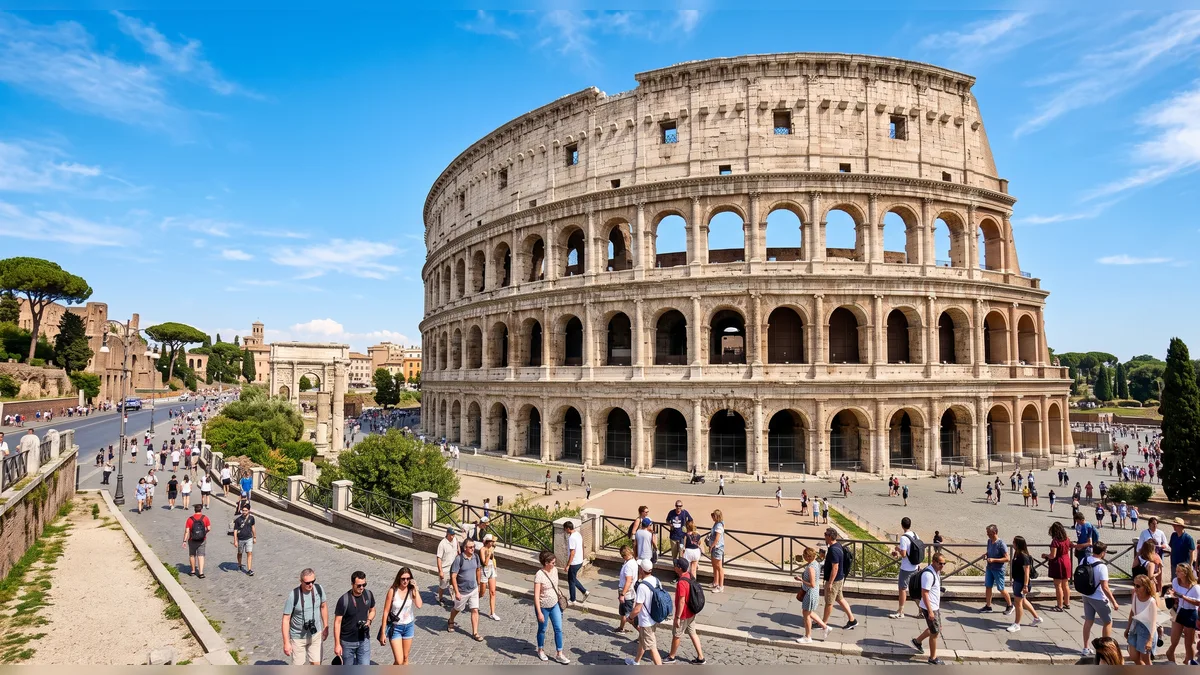
Day 2: Start early at the Colosseum and Roman Forum to beat the crowds. Pre-book your timed entry tickets to avoid hours of queuing. After lunch, visit the Palatine Hill for panoramic views. Late afternoon, toss a coin in the Trevi Fountain and stroll through the Spanish Steps area. Reserve attraction tickets in advance during peak season. Reserve Attraction Tickets Here.
Day 3: Rome – Vatican City and Baroque Piazzas
Dedicate the morning to Vatican City. The Vatican Museums, Sistine Chapel, and St. Peter’s Basilica together need at least four hours. Book a skip-the-line guided tour if this is your first visit as the context makes the experience far richer. Afternoon, explore Piazza Navona and the Pantheon. The Pantheon is free to enter and one of the most perfectly preserved ancient buildings in the world. Evening dinner in Campo de’ Fiori where locals and tourists mix naturally.
Day 4: Travel to Florence – Renaissance Capital
Take an early Frecciarossa train to Florence (Firenze). Check into your hotel and head straight to the Accademia Gallery to see Michelangelo’s David. This is a non-negotiable experience but requires advance booking. Afternoon, walk across the iconic Ponte Vecchio bridge and explore the Oltrarno neighborhood, Florence’s hidden creative quarter filled with artisan workshops and local wine bars. This is exactly the kind of authentic, unhurried local experience that most tourists miss completely.
Travel Tip: Reserve Uffizi Gallery tickets online before your trip. Same-day tickets often sell out during peak tourist season.
Day 5: Florence – Duomo, Uffizi, and Hilltop Views
Morning: Climb the Duomo (Cathedral of Santa Maria del Fiore). The 463-step climb rewards you with the best aerial view of Florence’s terracotta rooftops. Book your entry slot in advance. Afternoon: Spend two to three hours in the Uffizi Gallery, home to Botticelli’s Birth of Venus and hundreds of Renaissance masterpieces. Pre-booking is essential as same-day tickets are rarely available. Sunset: Take a short taxi or walk uphill to Piazzale Michelangelo for the single most iconic view in Florence. This is one of Italy’s top photography spots and genuinely worth the effort.
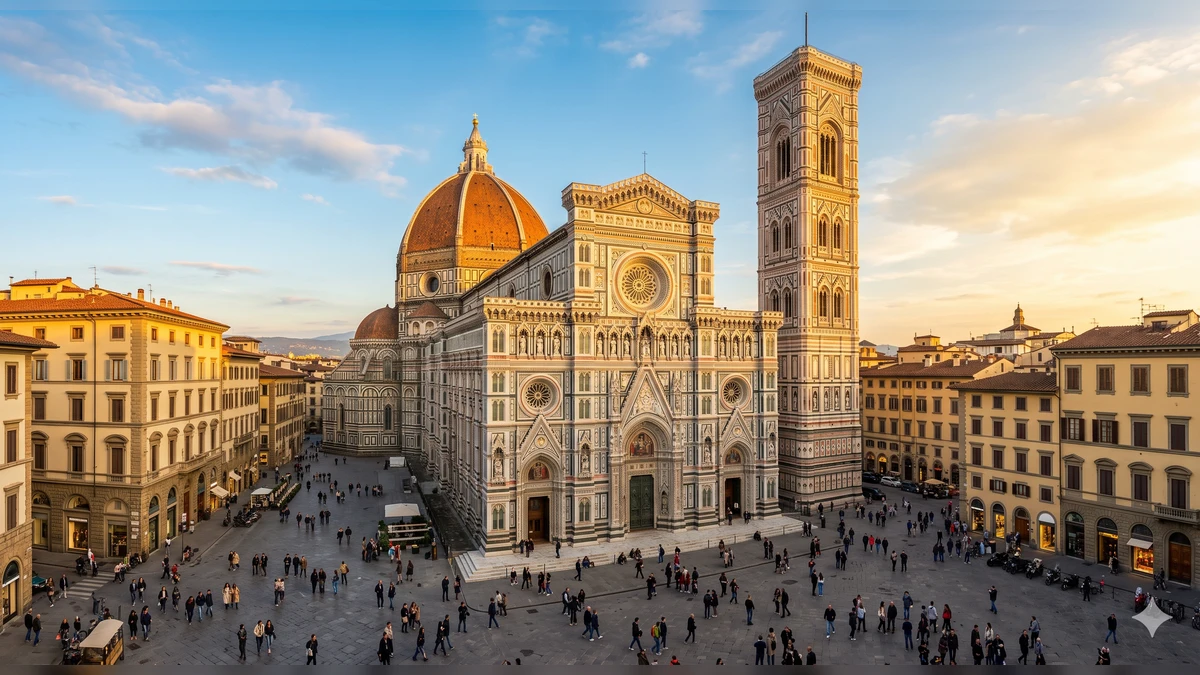
Travel Tip: Entry to Florence Cathedral is free, but climbing Brunelleschi’s Dome requires a separate ticket and advance reservation.
Day 6: Cinque Terre – Coastal Villages and Hiking Trails
Take an early morning train from Florence to La Spezia, then connect to Cinque Terre’s five colorful clifftop villages. If you have pre-booked accommodation here, stay overnight which we strongly recommend. The villages are Monterosso, Vernazza, Corniglia, Manarola, and Riomaggiore. Walk the coastal trail between villages, enjoy local seafood, and take in the Mediterranean views. This is arguably the most visually stunning day of the entire itinerary. Read our full Cinque Terre Day Trip Guide for detailed trail and village information.
Day 7: Travel to Venice – City on Water
Travel from La Spezia or Florence to Venice Santa Lucia station. As the train arrives, the sight of Venice appearing across the lagoon will genuinely take your breath away. Spend the afternoon on a vaporetto (water bus) ride along the Grand Canal, which is essentially a €9.50 moving sightseeing tour of the world’s most extraordinary urban waterway. Evening: Get completely lost in Venice’s maze of calles (narrow streets) and campi (small squares). Do not rely entirely on GPS. The best Venice moments happen when you wander without a plan.
Day 8: Venice – St. Mark’s, Rialto, and Island Escape
Morning: Visit St. Mark’s Basilica and Doge’s Palace. The Doge’s Palace is the more impressive of the two from a historical perspective and worth at least two hours. Pre-book to avoid long queues. Afternoon: Take a vaporetto to the island of Murano to watch master glassblowers at work in their historic furnaces. This is a genuine craft tradition dating back to the 13th century and completely unique to Venice. If time allows, continue to Burano for its wildly colorful houses and lace-making heritage. Both islands offer a beautiful contrast to the crowds of central Venice.
Day 9: Venice – Gondola Ride and Local Cannaregio
Spend the morning in Cannaregio, Venice’s most lived-in neighborhood. This is where Venetians actually shop, eat, and socialize away from the tourist circuit. Visit the Jewish Ghetto, one of the oldest in Europe and a deeply moving historical site. Afternoon: Treat yourself to a gondola ride. Yes, it is touristy. Yes, it is expensive (€80–€120 for 30 minutes). And yes, it is absolutely worth doing at least once. Evening: Enjoy a farewell dinner at a cicchetti bar, Venice’s answer to Spanish tapas, where small plates of seafood and wine are served standing at the counter.
Day 10: Departure from Venice
Spend your final morning at the Rialto Market, one of Italy’s most atmospheric fresh produce and seafood markets, operating since the 11th century. It opens early and closes by midday. Pick up local olive oil, dried pasta, or Murano glass souvenirs before transferring to Venice Marco Polo Airport (VCE) for your departure flight. Allow at least 90 minutes for the airport transfer including the water taxi or bus connection across the lagoon.
Food Guide
In Rome, never miss cacio e pepe pasta, supplì (fried rice balls), and artichokes alla romana. In Florence, order a bistecca alla Fiorentina (T-bone steak) at least once and try lampredotto (tripe sandwich) from a street cart for a true local experience. In Cinque Terre, eat grilled anchovies and pesto on trofie pasta. In Venice, cicchetti bars near the Rialto offer the best authentic eating for the lowest price. Always look for restaurants where the menu is written only in Italian and locals are actually eating. Avoid restaurants with photo menus outside St. Mark’s Square.
Budget Breakdown
| Category | Budget Traveler | Mid-Range | Comfort |
|---|---|---|---|
| Accommodation (per night) | €40–€70 | €90–€160 | €180–€300+ |
| Food (per day) | €25–€35 | €45–€70 | €80–€150 |
| Transport (total trip) | €80–€120 | €150–€220 | €250–€400 |
| Attractions (total trip) | €60–€90 | €100–€150 | €180–€250 |
| Estimated Daily Total (pp) | €80–€100 | €120–€200 | €250–€400 |
All prices are estimates. Verify current rates before booking. Travel insurance is strongly recommended to protect your investment. To compare coverage options for your trip, Compare Travel Insurance Plans Here.
Common Travel Mistakes
- Not pre-booking major attractions. The Colosseum, Vatican Museums, Uffizi, and Accademia all require advance tickets in peak season. Same-day entry is rarely available.
- Over-scheduling Rome. Rome requires more time than most people plan for. Rushing between sites kills the experience.
- Eating near major landmarks. Restaurants adjacent to the Trevi Fountain or St. Mark’s Square charge double for inferior food.
- Ignoring dress codes at religious sites. Shoulders and knees must be covered to enter churches, including St. Peter’s Basilica.
- Validating transit tickets. Forgetting to stamp your train or bus ticket before boarding results in fines up to €200.
Local Scams and Safety Tips
Italy is generally very safe for tourists but standard urban awareness applies. Watch for pickpockets on Rome’s Metro Line A, especially near Termini and Spagna stations. In Venice, only board official water taxis from designated stops. Beware of the “friendship bracelet” scam near major monuments where strangers tie a bracelet on your wrist then demand payment. In Rome, unofficial “gladiators” outside the Colosseum charge steep fees for photos. Keep a digital copy of your passport in your email. Always use ATMs inside banks rather than standalone machines on the street. Read our complete Italy Safety Guide here for more detailed advice.
What To Pack Checklist
- Comfortable walking shoes (you will walk 8–12 km daily)
- A lightweight scarf or shawl for church entries
- Universal power adapter (Italy uses Type F/L plugs)
- Reusable water bottle (tap water is safe and free in Rome’s street fountains)
- Printed or downloaded train tickets and attraction reservations
- Travel insurance documents
- Sunscreen and sunglasses (essential May through September)
Frequently Asked Questions
Is 10 days enough for Italy as a first-time visitor?
Yes, 10 days is an ideal starting point for a first-time Italy trip. It comfortably covers Rome, Florence, Cinque Terre, and Venice without feeling rushed. You will see the major highlights while still having time to explore neighborhoods, enjoy meals slowly, and soak in the atmosphere that makes Italy so special.
What is the best time of year to visit Italy?
April through June and September through October offer the best combination of pleasant weather, manageable crowds, and good value. July and August are peak season with intense heat and very large crowds at major sites. Winter is quiet and affordable but some coastal areas and smaller towns operate on reduced schedules.
Do I need to book attractions in advance in Italy?
Absolutely. For the Colosseum, Vatican Museums, Sistine Chapel, Uffizi Gallery, and Accademia Gallery, advance booking is essential. These attractions regularly sell out days or weeks ahead during peak season. Failing to pre-book can mean missing them entirely or waiting three or more hours in line.
How do I get between cities in Italy?
High-speed trains operated by Trenitalia and Italo are the fastest, most comfortable, and most affordable way to travel between Rome, Florence, and Venice. Book several weeks in advance for the cheapest fares. Cinque Terre is best accessed by regional train from La Spezia or Genoa. Compare Train Tickets Here.
How much does a 10-day Italy trip cost?
Budget travelers can manage on approximately €80–€100 per person per day excluding flights. Mid-range travelers should budget €120–€200 per day. This covers accommodation, food, local transport, and entrance fees. Rome and Venice tend to be the most expensive cities while Florence and Cinque Terre offer slightly better value.
Is Italy safe for tourists?
Italy is very safe for tourists overall. The primary concerns are petty theft and pickpocketing in busy tourist areas and on public transport, particularly in Rome. Standard precautions like using a money belt, keeping bags in front of you, and avoiding unofficial taxi drivers will ensure a trouble-free trip for the vast majority of visitors.
Can I do this itinerary with children?
Yes, with some adjustments. Children under 18 get free or reduced entry at many Italian state museums. Build in more downtime, prioritize gelato stops, and consider skipping the longer museum visits in favor of outdoor sites like the Roman Forum or Cinque Terre hiking trails, which tend to engage younger travelers more actively.
Key Takeaways
- Pre-book all major attraction tickets before you arrive, especially in Rome and Florence.
- Travel by high-speed train between cities for the fastest and most affordable connections.
- Stay in authentic neighborhoods like Trastevere (Rome), Oltrarno (Florence), and Cannaregio (Venice) for the best local experience.
- April–June and September–October are the ideal travel windows for weather, value, and crowd levels.
- Budget €120–€200 per person per day for a comfortable mid-range Italy experience excluding international flights.
Final Verdict
This Complete 10-Day Italy Travel Itinerary gives first-time visitors everything they need to experience Italy’s greatest cities with confidence, depth, and genuine enjoyment. From Rome’s ancient grandeur to Venice’s dreamlike canals, the journey is as rewarding as each individual destination. Plan ahead, book early, eat well, and slow down enough to let Italy work its magic on you. It absolutely will. Explore more Italy travel tips and planning resources here before you go.