
Quick Answer
The Swiss Travel Pass gives unlimited travel on trains, buses, and boats across Switzerland, plus free entry to 500+ museums and discounts on mountain railways. For most first-time visitors spending 4+ days in Switzerland and planning to visit multiple cities and alpine destinations, it saves money and simplifies travel significantly.
Introduction
Switzerland is breathtakingly beautiful — and notoriously expensive. Getting between Zurich, Lucerne, Interlaken, and Zermatt without a pass can drain your budget fast.
The Swiss Travel Pass is available in both First Class and Second Class options, allowing travelers to choose between premium comfort and excellent value depending on their budget and travel style.
The Swiss Travel Pass bundles nearly all Swiss public transport into one prepaid ticket. No fumbling for coins at ticket machines. No calculating fares between every stop.
But is it right for your trip? This guide covers everything — prices, coverage, mountain discounts, honest limitations, and sample itineraries — so you can decide confidently before booking.
Quick Travel Snapshot
| Detail | Information |
|---|---|
| Pass Name | Swiss Travel Pass |
| Issued By | SBB / Swiss Federal Railways |
| Validity Options | 3, 4, 6, 8, or 15 consecutive days |
| Coverage | Trains, buses, boats, urban transit |
| Museum Access | 500+ museums free |
| Mountain Discounts | 25–50% on most excursions |
| Best For | First-timers, city hoppers, scenic rail fans |
| Age | Adults (16+), Youth (6–25), Children under 6 free |
| Format | Digital (recommended) or physical card |
| Where to Buy | SBB website, Rail Europe, Eurail |
What Does the Swiss Travel Pass Cover?
Unlimited Travel Included
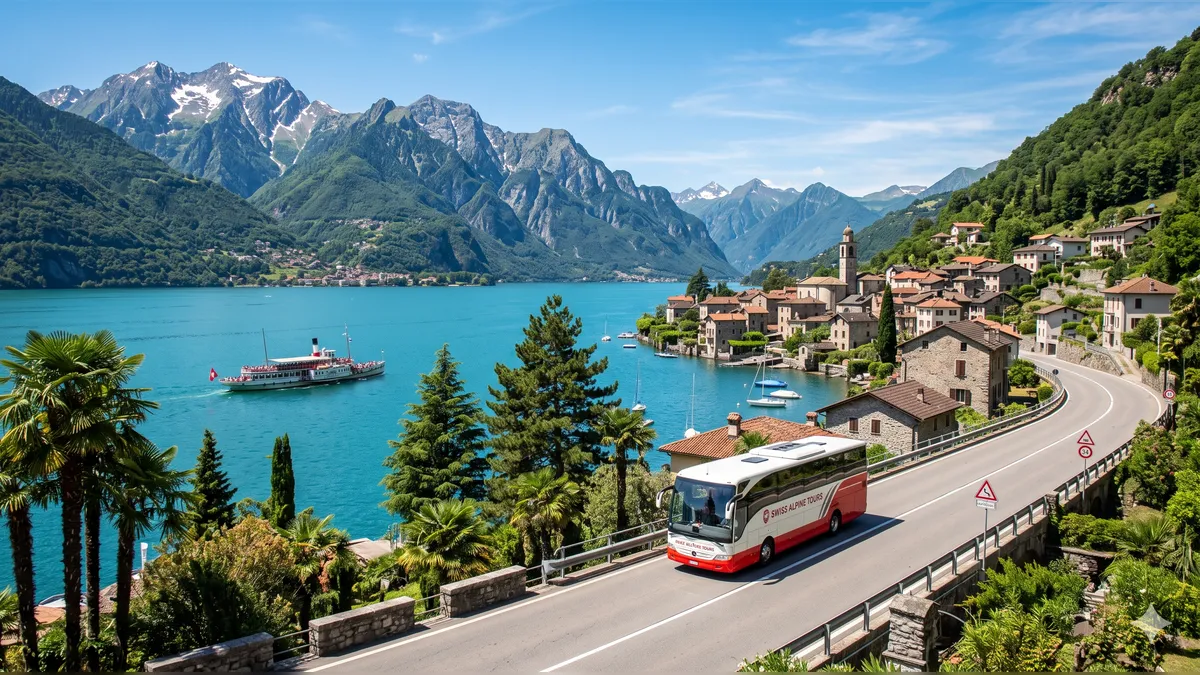
The pass covers the entire SBB national rail network, PostBus routes, lake boats and ferries, and public transit within most Swiss cities including Zurich, Geneva, Basel, and Bern.
This means no separate metro, tram, or bus tickets in covered cities.
Museum Access
Over 500 Swiss museums grant free entry with the pass. This includes the Swiss National Museum in Zurich, the Olympic Museum in Lausanne, and Ballenberg Open-Air Museum near Interlaken.
For culture-focused travelers, this alone can justify part of the cost.
What Is NOT Included
This is critical to understand before buying.
| Attraction | Pass Coverage |
|---|---|
| Jungfraujoch | 25% discount only |
| Matterhorn Glacier Paradise | 25% discount |
| Glacier Express | Seat reservation required (CHF 13–43 extra) |
| GoldenPass Express | Seat reservation required |
| Bernina Express | Seat reservation required |
| Mount Pilatus Cogwheel Railway | 50% discount |
| Schilthorn | 25% discount |
| Rigi Railways | Free (fully included) |
Major mountain excursions are discounted but rarely fully free. Budget CHF 60–130 per person for Jungfraujoch even with the pass.
Swiss Travel Pass Prices 2026
Prices below are approximate adult rates in Swiss Francs. Always verify current pricing before purchasing, as rates adjust annually.
| Duration | 2nd Class Adult | 1st Class Adult | Youth 2nd Class |
|---|---|---|---|
| 3 Days | CHF 244 | CHF 374 | CHF 183 |
| 4 Days | CHF 282 | CHF 430 | CHF 212 |
| 6 Days | CHF 340 | CHF 519 | CHF 255 |
| 8 Days | CHF 388 | CHF 593 | CHF 291 |
| 15 Days | CHF 473 | CHF 720 | CHF 355 |
Youth pricing applies to travelers aged 16–25. Children aged 6–15 travel free when accompanied by a pass-holding parent using a free Family Card add-on.
To compare current prices and purchase your pass securely, Compare Swiss Travel Pass Prices.
How Much Money Can You Save with the Swiss Travel Pass?
For travelers visiting multiple Swiss cities, the Swiss Travel Pass can quickly offset its cost. A combination of long-distance train journeys, city transport, museum entry, and scenic rail routes often costs more when purchased separately.
The more you travel within Switzerland, the greater the savings. Travelers following a 4–6 day itinerary that includes Zurich, Lucerne, Interlaken, Zermatt, or Geneva generally receive the best value from the pass.
Is the Swiss Travel Pass Worth It?
This is the question every visitor asks. The honest answer depends on your itinerary.
When the Pass IS Worth It
- You’re visiting 3+ cities over 4+ days
- You plan scenic train journeys (Bernina Express, GoldenPass)
- You want hassle-free travel without buying individual tickets
- You’re visiting museums in multiple cities
- You’re traveling with children (Family Card = kids travel free)
When the Pass May NOT Be Worth It
- You’re staying in one city only, like Zurich or Geneva
- You plan to rent a car for most of the trip
- You have a Swiss Half Fare Card already
- You’re only doing 1-2 train journeys
Sample Cost Comparison (6-Day Trip)
| Journey/Activity | Individual Fare | Pass Savings |
|---|---|---|
| Zurich → Bern | CHF 54 | Covered |
| Bern → Interlaken | CHF 28 | Covered |
| Interlaken → Lucerne | CHF 34 | Covered |
| Lucerne → Zurich | CHF 26 | Covered |
| Rigi Railway | CHF 68 | Covered |
| Zurich city transit (3 days) | CHF 36 | Covered |
| 3 Museum entries | CHF 45 | Covered |
| Total saved | ~CHF 291 | vs CHF 340 pass |
For a typical 6-day itinerary, the pass roughly breaks even to slightly positive — and that’s before counting PostBus rides and boat trips.
How to Buy the Swiss Travel Pass
You can purchase the pass through:
- SBB website (Swiss Federal Railways official site)
- Rail Europe (popular for North American travelers)
- Eurail (good for European residents)
- Swiss Tourism offices (limited availability)
Buy before arriving in Switzerland. Prices are often better, and you avoid queues. The digital pass works directly from your smartphone.
To check availability and current pricing across booking platforms, Compare Swiss Travel Pass Options.
Swiss Travel Pass vs. Alternatives
| Pass | Best For | Coverage |
|---|---|---|
| Swiss Travel Pass | Multi-city travelers, 4+ days | Nationwide unlimited |
| Swiss Half Fare Card | Flexible travelers, 1 month | 50% off all fares |
| Swiss Travel Pass Flex | Non-consecutive day travelers | 3–15 days flexible |
| Regional Day Passes | Single area focus | Regional only |
| Point-to-Point Tickets | 1-2 journeys only | Single route |
The Swiss Travel Pass Flex is worth considering if your itinerary isn’t fully planned. You choose which days to activate from a 1-month window.
Best Scenic Train Journeys With the Pass
1. Bernina Express (Chur to Tirano)
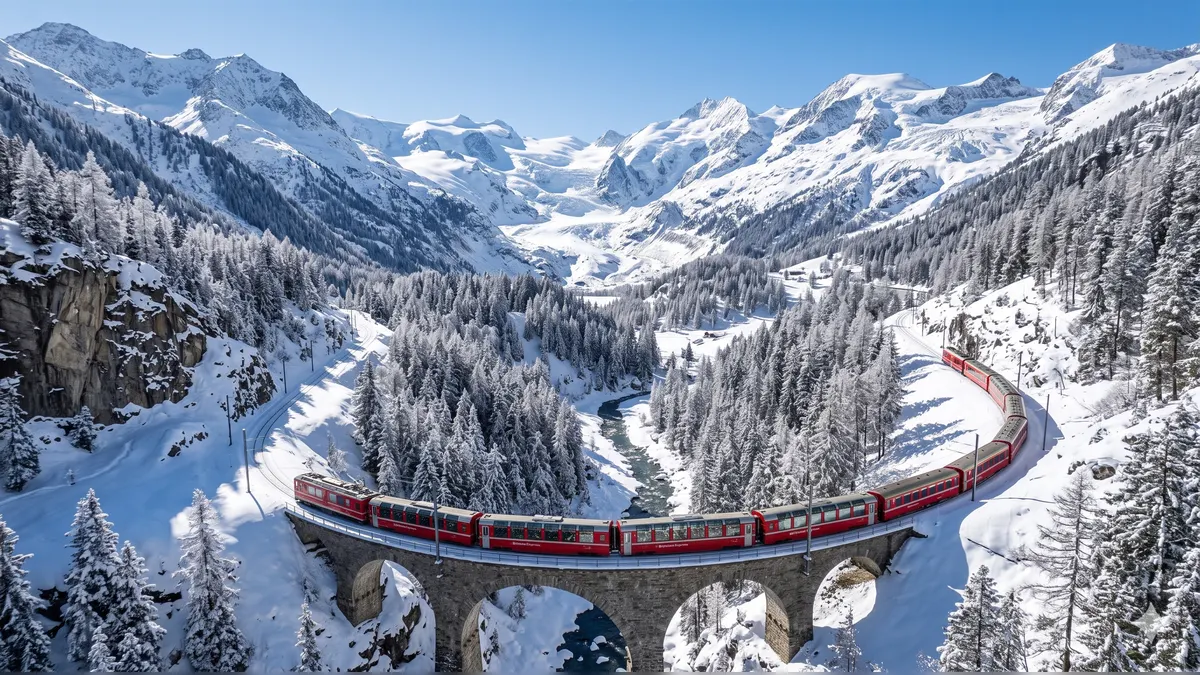
The most dramatic rail journey in Switzerland. The train crosses the UNESCO-listed Rhaetian Railway over 55 bridges and through 196 tunnels. The pass covers the fare — a mandatory seat reservation costs CHF 13–34.
2. GoldenPass Express (Interlaken to Montreux)
Connects the Bernese Oberland to Lake Geneva in one panoramic ride. The pass covers travel costs. Seat reservation required for the panoramic car.
3. Glacier Express (Zermatt to St. Moritz)
Famous as the world’s slowest express train. Eight hours of mountain scenery. Pass covers the fare; seat reservation is CHF 13–43 depending on season.
4. William Tell Express (Lucerne to Lugano)
Combines a lake boat crossing with a mountain train ride. A unique itinerary highlight, fully covered by the pass.
5. Rigi Railways (from Vitznau or Arth-Goldau)
The Queen of the Mountains offers sweeping views over Lake Lucerne. Fully included with no extra charge — one of the best pass values.
Reserve your panoramic car seats early, especially for summer travel. Book Scenic Train Seat Reservations.
Sample 6-Day Switzerland Itinerary With Swiss Travel Pass
Day 1 — Zurich
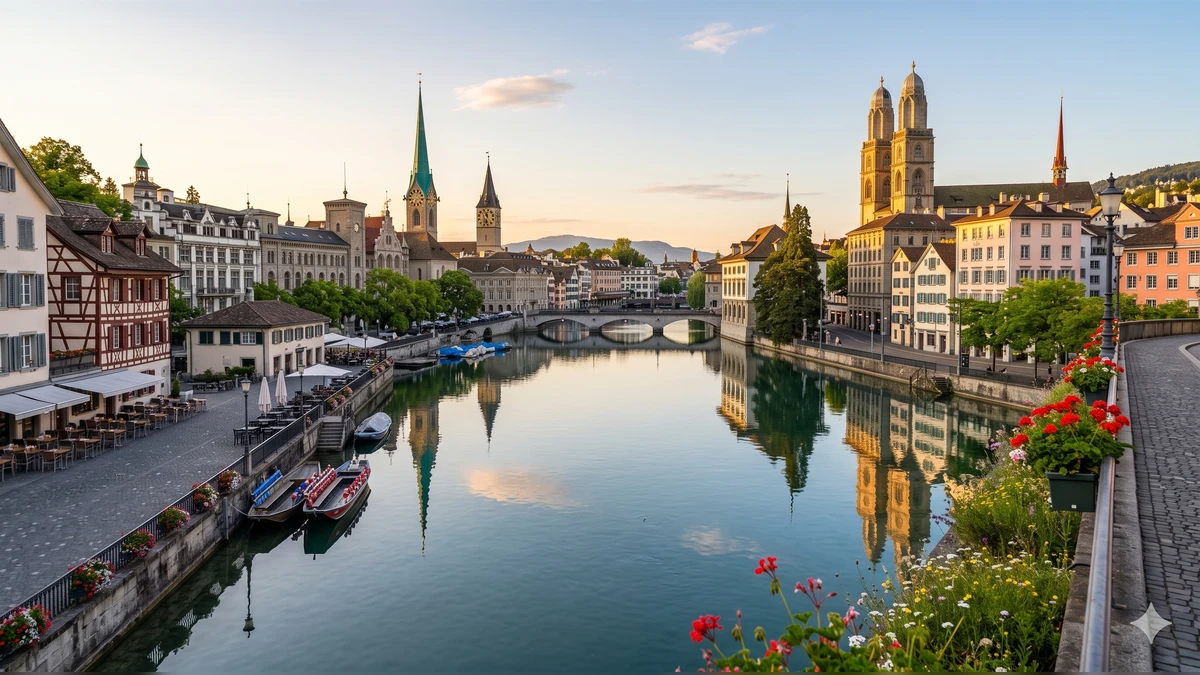
Arrive, collect your digital pass, explore Altstadt (Old Town), walk the Bahnhofstrasse, and visit the Swiss National Museum (free with pass).
Day 2 — Lucerne
Take the 45-minute train from Zurich. Walk the Chapel Bridge, visit the Lion Monument, and take the Rigi Railway to the summit (fully included).
Day 3 — Interlaken & Jungfraujoch
Train from Lucerne to Interlaken. Take the Jungfrau Railway for the 25% discount. Expect to spend CHF 130–155 per person after the discount.
Day 4 — Bern
Explore Switzerland’s federal capital. Visit the Bear Park, Rose Garden, and Einstein Museum (free with pass). The medieval arcades are perfect for afternoon wandering.
Day 5 — Zermatt
Direct train connections via Brig. Car-free village with Matterhorn views. The Glacier Express departs from here for onward travelers.
Day 6 — Geneva or Montreux
Take the GoldenPass to Montreux and walk the Lavaux vineyards before flying home from Geneva Airport.
For more detailed daily planning, read our Switzerland 7-Day Itinerary Guide.
Where to Stay in Switzerland With the Pass
The pass covers urban transit in major cities, so staying slightly outside the city center is a practical money-saving strategy.
Accommodation prices vary enormously by season and location. To compare options across price ranges, Compare Hotel Prices in Switzerland.
Budget travelers: Look at hostels in Interlaken and Lucerne, which run CHF 30–55 per dorm night and are perfectly located for rail access.
Mid-range travelers: Aim for 3-star hotels near main train stations in Zurich and Bern (CHF 120–200 per night).
Splurge: Boutique hotels in Zermatt and Grindelwald with mountain views run CHF 250–450 per night but offer extraordinary settings.
For a deeper look at accommodation options by region, visit our [Switzerland Hotels Guide](#).
Mountain Excursion Planning With the Swiss Travel Pass
Mountain excursions are Switzerland’s biggest highlights — and biggest extra expenses. Plan these carefully.
| Mountain | Regular Fare | With Pass | Net Cost |
|---|---|---|---|
| Jungfraujoch | ~CHF 196 | 25% off | ~CHF 147 |
| Mount Pilatus (cogwheel) | ~CHF 72 | 50% off | ~CHF 36 |
| Schilthorn (Piz Gloria) | ~CHF 108 | 25% off | ~CHF 81 |
| Rigi | ~CHF 68 | Free | CHF 0 |
| Stanserhorn | ~CHF 60 | 50% off | ~CHF 30 |
Rigi and Stanserhorn offer exceptional value. For families, Rigi is the best first alpine excursion — easy, affordable, and stunning.
Always book Jungfraujoch early morning tickets (Good Morning Ticket) for the steepest discounts, independent of the pass.
Reserve Jungfraujoch Tickets in Advance.
Practical Tips for Using Your Swiss Travel Pass
- Activate on arrival: Digital passes activate when you first scan them.
- Download the SBB app: Shows live schedules, platform changes, and your pass.
- Carry your passport: Occasionally required alongside the pass for identification.
- Seat reservations are separate: Do not confuse pass coverage with reserved seating on premium trains.
- Family Card is free: Request it when purchasing if traveling with children under 16.
Stay connected for real-time train updates and Google Maps navigation. Get Switzerland Travel eSIM.
Budget Breakdown for a 6-Day Switzerland Trip
Switzerland is expensive. Here’s a realistic daily budget with the pass already purchased.
| Category | Budget | Mid-Range | Splurge |
|---|---|---|---|
| Accommodation | CHF 45 | CHF 150 | CHF 320 |
| Food & Drink | CHF 40 | CHF 80 | CHF 150 |
| Mountain Excursions | CHF 30 | CHF 80 | CHF 150 |
| Swiss Travel Pass (per day) | CHF 57 | CHF 57 | CHF 87 |
| Miscellaneous | CHF 15 | CHF 30 | CHF 50 |
| Daily Total | ~CHF 187 | ~CHF 397 | ~CHF 757 |
For more money-saving strategies across your trip, read our [Switzerland Budget Travel Guide](#).
What to Pack for a Swiss Rail Trip
- Comfortable walking shoes (cobblestones + mountain paths)
- Layers and a waterproof jacket (alpine weather changes fast)
- Power bank (long train journeys)
- Swiss francs for small purchases (some mountain huts don’t accept cards)
- Sunscreen and sunglasses (alpine UV is intense)
Safety Tips & Things to Know
Switzerland is one of the safest countries in the world. Petty crime is rare but not unknown in tourist areas.
Train stations: Watch your bags at Zurich Hauptbahnhof and Geneva Gare. Pickpocketing targets distracted tourists.
Mountain safety: Check weather forecasts before ascending any peak. Conditions change rapidly above 2,000m. Never hike marked trails in inappropriate footwear.
Health costs: Swiss medical care is excellent but very expensive. Travel insurance covering emergency medical is strongly recommended.
Ticket validation: Always keep your pass accessible. Inspectors check regularly on all routes — “I forgot my pass” is not accepted.
Protect your trip against cancellations, medical emergencies, and lost luggage. Compare Travel Insurance Plans.
FAQ
How much does the Swiss Travel Pass cost in 2026?
The Swiss Travel Pass starts at approximately CHF 244 for 3 consecutive days (2nd class, adult). A 6-day pass costs around CHF 340. Youth passes (16–25) are about 25% cheaper. Prices vary by class, duration, and age. Always verify the latest pricing directly with SBB or Rail Europe before purchasing.
Is the Swiss Travel Pass worth it for a 3-day trip?
For a 3-day trip, the pass is borderline. If you’re visiting only one city, it likely won’t pay off. But if you’re combining Zurich, Lucerne, and Interlaken with a mountain excursion, the 3-day pass can break even or save money. Add museum visits and city transit, and it becomes more valuable.
Does the Swiss Travel Pass cover the Glacier Express?
The Swiss Travel Pass covers the Glacier Express fare, but a mandatory seat reservation fee of CHF 13–43 applies separately. Book reservations well in advance, especially for summer travel between June and September. The full Zermatt to St. Moritz journey takes approximately 8 hours.
Can I use the Swiss Travel Pass on arrival day at the airport?
Yes. Zurich Airport’s train station connects directly to the SBB national network. Your pass covers the airport-to-city train. Geneva Airport has a slightly different setup — a free shuttle ticket covers the short ride to Geneva main station, after which the pass applies.
Is there a Swiss Travel Pass for children?
Children under 6 travel free without any pass. Children aged 6–15 travel free with the free Family Card add-on when a parent holds a valid Swiss Travel Pass. Youth passes for ages 16–25 offer approximately 25% savings over adult pricing. Request the Family Card at the time of purchase.
Does the Swiss Travel Pass include city trams and buses?
Yes. Urban public transit in Zurich, Geneva, Basel, Bern, Lausanne, Lucerne, and most major Swiss cities is fully covered. This includes trams, buses, and city-area trains. It replaces the need for separate city day tickets, which typically cost CHF 8–12 per day.
Key Takeaways
- The Swiss Travel Pass covers trains, PostBuses, lake boats, and city transit nationwide — but major mountain excursions are discounted, not free.
- The 6-day pass (CHF 340) typically offers the best value for a standard first-time Switzerland itinerary.
- Scenic trains like the Glacier Express and Bernina Express require separate seat reservations even with the pass.
- The Family Card add-on lets children aged 6–15 travel free — an exceptional deal for families.
- Always budget extra for Jungfraujoch (CHF 130–155 even with discount) and train reservations.
Final Verdict
The Swiss Travel Pass is the single smartest purchase for most first-time visitors to Switzerland. It eliminates the frustration of constant ticket buying, unlocks 500+ free museums, and delivers genuine savings on a multi-city itinerary.
It’s not perfect — mountain excursion discounts rather than free access can surprise travelers expecting full coverage. And if you’re staying in one place, it won’t pay off.
But for a classic 6-day circuit through Zurich, Lucerne, Interlaken, and Zermatt? The pass essentially pays for itself while making every journey effortless.
Buy it, activate it, and spend your energy on the views — not the ticket machines.
Purchase Your Swiss Travel Pass Securely.
Note: Prices, schedules, and pass coverage are subject to change. Always verify current details with SBB or your preferred booking platform before purchasing.